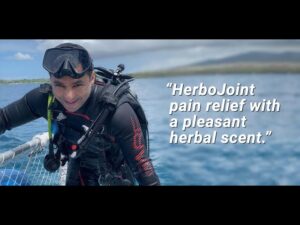
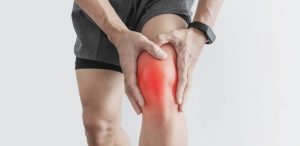
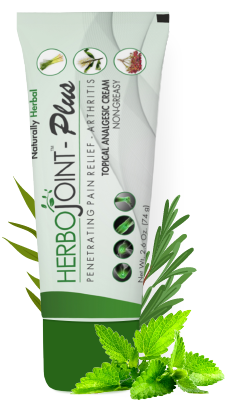
The document is a transcript of a conversation between Nitish and Ron, discussing various topics such as adventure sports, fitness, mental health, and the impact of COVID-19. Here are the key takeaways: Adventure Sports: Ron shares his experiences with recreational diving and the precautions taken during such activities. Fitness Journey: Ron talks about his fitness routine, including CrossFit, and the challenges of maintaining a healthy lifestyle as one age. Mental Health: The conversation touches on the importance of mental health, especially in light of the COVID-19 pandemic. COVID-19 Impact: Ron expresses his views on the new normal post-COVID, emphasizing vaccination and mask-wearing. The conversation also includes discussions on HerboJoint, a menthol-based cream used for joint pains, and its benefits as described by Ron. Ron’s background as a pharmacist and his personal experiences with fitness and adventure sports provide a practical perspective. The dialogue concludes with thoughts on adapting to life during and after the COVID-19 pandemic. Start of the Transcript: In the realm of sports and adventure, athletes and enthusiasts often push the boundaries of physical endurance, leading to the necessity of reliable and effective pain relief solutions. HerboJoint, a product designed with the active individual in mind, offers a unique blend of menthol and turmeric to provide non-greasy, fast pain relief with a natural scent. This conversation delves into the experiences of Ron, a pharmacist and diving enthusiast, who shares his insights on the product’s benefits, particularly for those engaged in high-intensity activities like CrossFit and adventure sports. Nitish – Great. So just to give you a little bit of context, Ron, before we get started and get started with the Q and A, we wanted somebody, because we are rebranding the tube and one of our target audience are athletes and people who do adventure sports and it becomes really handy for them to have a HerboJoint in their backpacks And however, whichever way they want to use it. So certainly we want to brand it that way. But since that video was simply amazing. And we want to know more about you adventure sports and how injury prone adventure sports are, and, you know, maybe on those lines, we’ll take the conversation forward. Are you good with that? Ron – Yeah, that’s fine. Nitish – Okay, cool, man. Let’s get started. Nitish – Okay. Let me just, pull up the questions. Give me a minute here. Okay. Let’s let’s, let’s just, get started, Ron. I could not get a chance to see, see your profile on LinkedIn or anywhere else, but, I know, you are into pharma and you know, just tell us, tell us more about, you know, what do you do so that we can put it on the brief wherever or however, and how, how you came into adventure sports. Ron – so I guess, what I do for work, last 10 years, I’ve been a pharmacist. in the United States and California and actually around the country. Really. I’m currently working at a hospital. It’s a level-one trauma center. I do the inpatient side, so it’s mostly dealing with doctors and nurses, and there are no patient interactions, just doctors and nurses for the most part. I guess adventure sports, I wouldn’t really go so far as to call it adventure sports, really. It’s, I started diving in 2016, and I was doing it pretty consistently up until a couple years ago, and then after a long hiatus, I finally went again this last March when people started to travel again. it’s something I enjoy doing. I’ve been a pretty good swimmer all my life. I used to be in the Navy. So we did have to have swimming tests and things like that too. https://youtu.be/EkfO4ycP4zM Nitish – I got a silver medal, for, for my state. Ron – All right. Nice. Nice. mostly do a CrossFit for, for exercise and that’s where. I start to get, joint pains and random aches from straining too hard. Ron – And then I find this product like, that’s pretty skeptical at first. but it, it, for me anyways, it, it does work. it’s a menthol-based cream. So that’s pretty similar to what’s available on the counter here. but this one has a nicer smell to it and, it’s got turmeric in it, which I like. It’s not greasy and so do you use it post-workout or pre-workout? Uh post not always, but but when I do use it, it typically helps Okay, so is it so let’s we’re talking about it since you mentioned about deep sea. Is it? A few things because I i’ve not done deep sea in my whole life. So we want to hear something about What is so different about deep sea diving and how is it different from swimming. Nitish – In the swimming pool. I mean there would be a lot of difference though A lot of adrenaline rush kicking in, but I just wanted to understand from you. Ron – Well, I wouldn’t call it deep sea per se. This is recreational diving. Recreational diving has a cap of 130 feet. most of the things you see, you’re going to see at 40 to 60 feet, which is about 15 to 20 meters. So 15 to 20 meters is good, a good depth where you’ll actually be able to see sea life. Because when you go any deeper than that, it gets too dark for there to be too much to grow and you’re not going to see a whole lot. So 20 meters video, there were, there were a lot of lights that we could see in the deep sea. That one was 22 meters. so what happened was, this time of the year around March off of the coast of Hawaii, manta rays are spotted around this time of the year. So to attract them, the dive companies will set up a bunch of lights on the bottom of